
Guide · Electrical
Maintenance calendar for your Costa del Sol home: what to check every month, year and five years
The Junta de Andalucía publishes an official manual on looking after a home, with a calendar for each part of it. This is the part that concerns paint and electrics, sorted by how often, with what is advice and what the regulations actually require.
 By VARELUX team 30 September 2026 · 6 min read
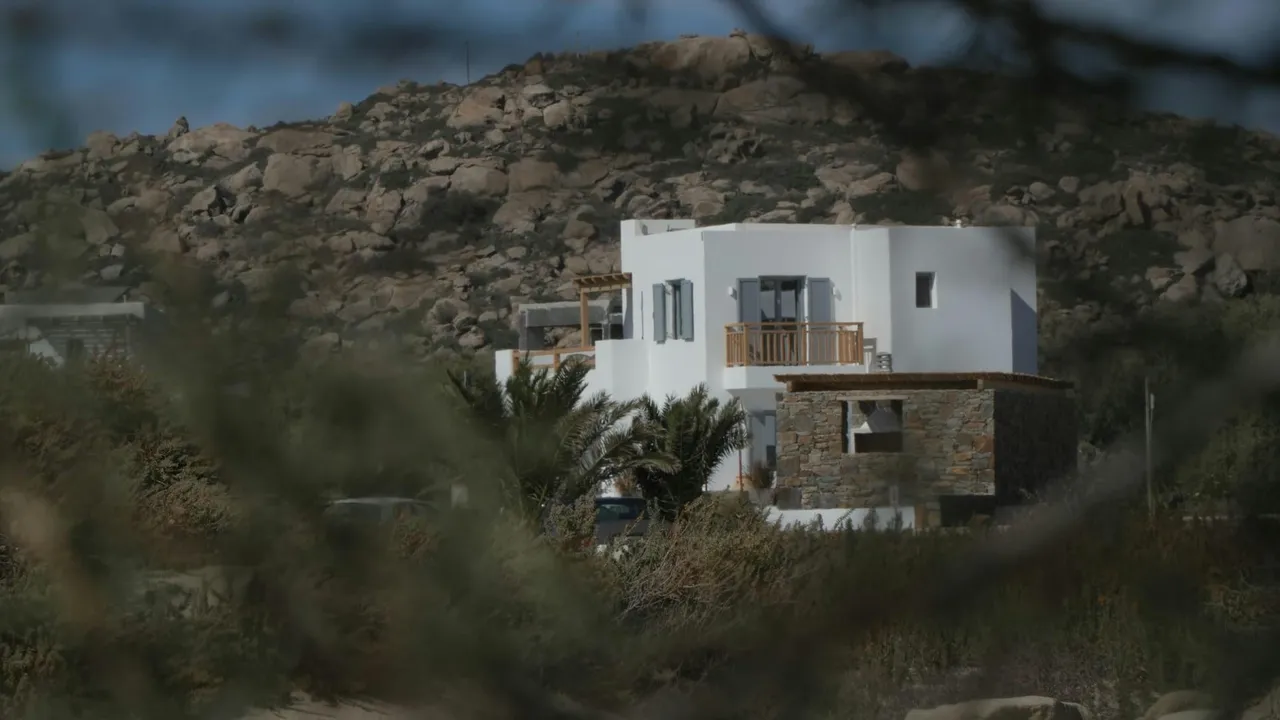
The regional government of Andalucía publishes a manual on using and maintaining a home, with a table for each part of the building: what to watch, what to check and how often (Manual General, Junta de Andalucía, in Spanish; page numbers below are the printed ones). The manual calls its frequencies recommended periods, except where a regulation sets them, which it marks as compulsory (page 122). The Order that approved it obliges developers to hand a manual like it to buyers of homes built or fully rehabilitated since 2010; it does not oblige you to follow the calendar. Two things in it are more than advice, and we mark them below: the earthing, in any home, and the façade checks, in a house built under the Building Code (CTE), which in practice means from 2007.
The calendar at a glance
| How often | What to check | Who | Source |
|---|---|---|---|
| Always | Damp stains, bubbling or flaking paint on walls and ceilings; rust on railings and metalwork; breakers that trip often | You | Manual, pp. 128-135, 146 |
| Every month | Press the RCD test button | You | Manual, pp. 82 and 146; Ministry guide |
| Every year | Earthing checked and measured, in the driest season | Electrician | Low-voltage regulations, ITC-BT-18 (required) |
| Every year | Seals of windows and outside doors; drain holes of the frames clear | You | Manual, p. 129 |
| Every 3 years | Paint or varnish of windows, doors, shutters, railings; repaint if needed | You check, a painter repaints | Manual, pp. 129-130 |
| Every 3 years | Façade joints and the sealing between frames and wall; in a CTE house, also the render and its finish | Specialist | Manual, p. 128; CTE if built from 2007 (required) |
| Every 5 years | Façade paint, cracks and fixings of cornices | Specialist | Manual, p. 128; CTE if built from 2007 (required) |
| Every 5 years | Interior paint: repaint the areas in poor condition | You check | Manual, p. 135 |
| Every 5 years | Electrical installation: consumer unit, protective devices and wiring | Electrician | Manual, p. 146 (recommended) |
| Every 10 years | Façade ventilation openings; renders and plaster under the paint | Specialist | Manual, pp. 128 and 134; CTE if built from 2007 (required) |
Every month: the RCD test button
Press the test button on the RCD, the residual current device in your consumer unit (in Spanish, diferencial). It should trip at once; if it does not, it is faulty and you are not protected against earth leakage, so call an authorised installer. The Junta’s manual and the Ministry’s technical guide to the regulations both advise doing it at least once a month (Ministry guide, in Spanish). It is a recommendation: the regulations set no frequency for a home. If the house is shut for months, do it the day you arrive, as we explain in opening your holiday home after winter.
Every year: the earthing, and the seals of windows and doors
The earthing is the one electrical check in this calendar that the regulations require in every home: technically competent staff must check the earthing installation at least once a year, in the season when the ground is driest, by measuring its resistance, and any faults found must be repaired urgently (ITC-BT-18, section 12, in Spanish). The rule has been in the regulations since 1973, so it also applies to an older villa (1973 low-voltage instructions, MI BT 039, in Spanish). The Junta’s manual gives every five years (page 147); the regulation takes precedence. It is a job for an electrician with an earth tester.
Every year, also check the seals between the window frames and the glass and between the frames and the sills, and that the small drain holes at the bottom of the frames are clear, so water that collects in the frame can drain out (manual, page 129).
Every three and five years: the paint and the façade
The manual does not say “repaint every so many years”. It asks you to review the paint and repaint where it is in poor condition: the paint or varnish of windows, doors, shutters and railings every three years (pages 129 and 130), and the interior paint every five (page 135). For the façade, it asks a specialist to check the joints and junctions every three years, and the state of the paint, cracks and fixings every five (page 128).
The manual marks these façade checks as compulsory. In a house built under the Building Code (CTE) they are part of the maintenance plan the owner must carry out, and the code asks for the render and its finish to be checked for cracks, damp and stains every three years, not five (CTE DB-HS 1, table 6.1, in Spanish). Those checks are a job for a competent technician; if they turn up work to do, painting is where we come in.
Metal needs more attention by the sea. The manual asks you to repaint railings and metalwork at the first sign of rust and, for enamel on iron and steel in a sea climate, to give a second coat of anti-rust primer (pages 58, 67 and 205). Salt left on the surface ruins the new paint, so it is washed off first, as we explain in painting a façade by the sea. Before painting over a damp stain, find its cause: what to check on damp walls before painting.
Every five years: the electrical installation
The manual recommends that an electrician checks the consumer unit, the protective devices and the state and insulation of the wiring every five years (page 146). The five-year period is a recommendation: the regulations set no frequency for a home, whose installation is not on the list that an inspection body must inspect periodically (ITC-BT-05, section 4, in Spanish). What they do require is that the owner keeps it in good working order and leaves any change to an authorised installer (article 20). If the check turns up an old installation, our guide to rewiring an old Spanish villa explains what usually needs updating, and our electrical service covers the work.
If you let the house
A holiday rental uses paint and electrics harder than a second home, so the “always” row matters more: scuffed walls between stays, and the sockets in every room and the light next to each bed that Andalucía’s tourist-rental rules require. We explain the rules on our page for holiday rental owners. And if you want someone to take the calendar off your hands, tell us about your property: we come and look at it at no cost and give you a written price.
Shall we talk about your project?
Site visit and no-obligation quote. We reply on WhatsApp or call you whenever suits you.
or ask for a written quote →Keep reading
Guide · Electrical
Air conditioning in a holiday rental in Andalucía
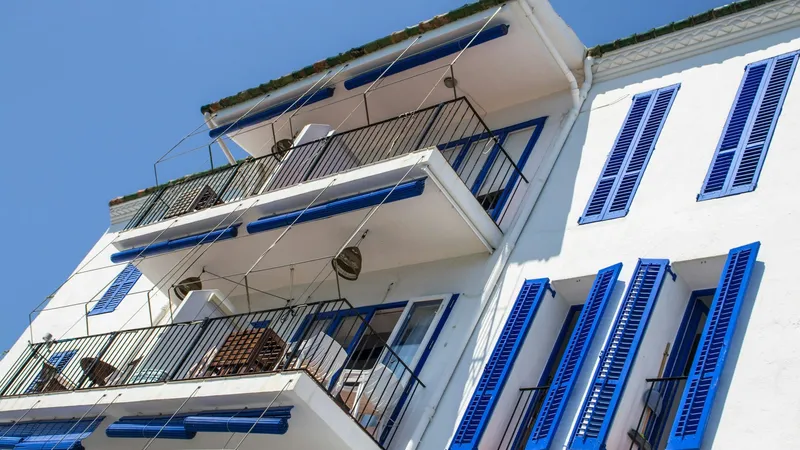
Since 2024, a holiday rental in Andalucía that operates in May, June, July and August must have cooling in its bedrooms and living rooms. The unit is the easy part; what usually fails is the circuit and the power behind it. This is what the decree and the electrical regulations say.
Read the guide: Air conditioning in a holiday rental in Andalucía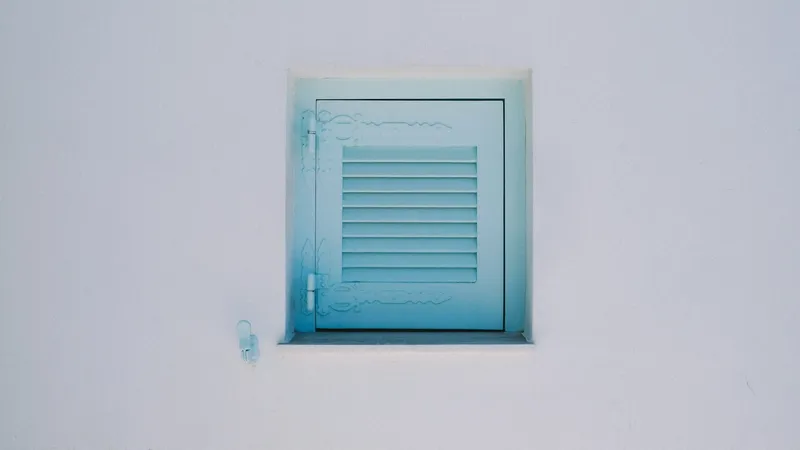
Guide · Electrical
Opening your Spanish holiday home after winter
A house that has been shut for months tells you what it needs in the first ten minutes: a musty smell, a stain in a corner, a breaker that trips. This is what to check in the electrics and on the walls before the first guests arrive, and which of it is advice rather than law.
Read the guide: Opening your Spanish holiday home after winter