
Guide · Painting
Waterproofing the flat roof before solar panels on the Costa del Sol: why first, what the building code asks and which permit
A flat roof that already lets water through will not improve with panels on top, and fixing it afterwards is harder. This is what Spain’s waterproofing manufacturers, the building code and the town halls say about the order of the work.
 By VARELUX team 5 November 2026 · 8 min read
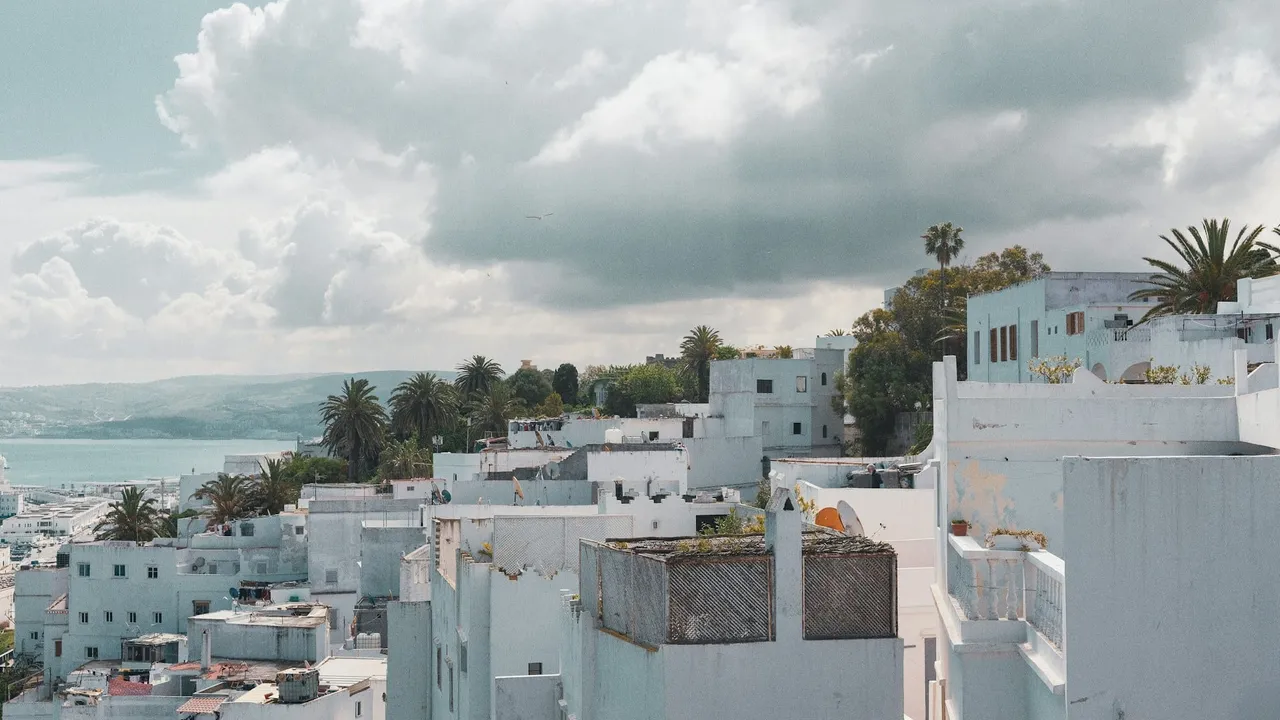
Many villas and townhouses on the Costa del Sol have a flat roof or a roof terrace, the azotea, and it is the obvious place for solar panels. Before they go on, there is a question that belongs to the roof, not to the panels: is the waterproofing good enough to spend the next twenty years underneath them? This guide covers the roof side. How the panels are designed, fixed and legalised is the installer’s job.
This guide is general information checked on 5 November 2026, not technical or legal advice: every roof needs to be inspected on site.
Why waterproof before the panels go on?
Because afterwards every repair is harder. The Iberian Association of Waterproofing Manufacturers (AIFIm) published a good-practice guide in 2024 on installing solar panels on roofs with waterproofing membranes. For existing roofs it advises “considerar una re-impermeabilización antes de actuar”: considering re-waterproofing before starting. It puts the life of a solar installation at 20 or 25 years, says the waterproofing should last at least as long, and warns that any waterproofing problem during that time “multiplica su complejidad” if the roof has a working solar installation (AIFIm guide, chapter 10, in Spanish). At the design stage it asks for a thorough inspection of the roof, its load capacity and any hidden damage, and for every weak point to be fixed before the installation (chapter 9).
Manufacturers say the same. Danosa, a Spanish maker of roofing membranes, puts the order in writing: once the waterproofing of the building is secured, the panel structures are added, and they must be compatible with it (Danosa, flat solar roofs, in Spanish). And Sika’s warranty policy in the United States says that any solar components that get in the way of investigating or repairing a leak are disconnected and removed at the building owner’s expense (Sika Corporation, PV policy). The same policy says a roof should outlast the panels, “to avoid having to remove the solar PV system to replace the roof”. That is one manufacturer’s policy in another country, not Spanish law, but it shows what a leak under the panels involves. These sources are manufacturers of waterproofing, and waterproofing is also our trade; the building code, below, is the neutral reference.
What does the building code say about fixing things to a flat roof?
Spain’s building code (CTE) requires every flat roof to have a waterproofing layer and, unless the membrane is self-protected, a protection layer on top; for the code, the floors of terraces and balconies are roofs too (CTE DB HS 1, sections 1.1 and 2.4.2, in Spanish). For anything anchored to the roof it allows two options: fixing it to a vertical wall above the top of the waterproofing, or, on the flat part, treating it like an element that passes through the roof, or setting it on a base resting on the roof (section 2.4.4.1.7). Elements that pass through must be at least 50 cm from walls and from anything else that sticks out of the roof, and the protection around them must rise at least 20 cm up the element, above the roof’s protection layer (section 2.4.4.1.6).
The code does not mention solar panels by name. In our reading, the feet of a panel frame are the kind of anchor that rule is about. AIFIm describes four kinds of mounting: ballasted systems hold the panels by weight without piercing the waterproofing, but add load to the structure; mechanically anchored systems pierce the roof, so the waterproofing has to be properly restored around each fixing; heat-welded or bonded systems attach without piercing it; and mixed systems combine them (AIFIm, solar roofs, in Spanish). Among the causes of leaks it lists fixings drilled through the membrane without restoring it, and maintenance traffic on the roof without walkways (guide, chapter 8.4).
Which system suits your roof, and how the frame is calculated against the wind, is the installer’s decision. If you are planning panels, Solar Master, our sister company (the same team), installs them; we take care of the roof. Before any panels, the electrician also looks at the consumer unit.
Will the roof take the extra weight?
That is for a technician to check, not to assume. AIFIm says the extra load of solar panels, especially ballasted ones, must be calculated and approved by a qualified technician (guide, chapter 8.2). The building code allows an old building to be assumed strong enough because it has stood for years without damage only if no changes are expected that would increase the loads on it (CTE DB SE, annex D.6.1, in Spanish). In our reading, adding permanent weight on the roof is such a change; whether the roof can take it is the technician’s call.
How often should a flat roof be checked?
For houses built under the building code, in practice from 2007, it sets the minimum, and for older ones it is a good reference: clean the drains, gutters and overflows and check that they work every year, and also after every heavy storm; check the protection layer and the critical points, such as joints, edges and anything passing through the roof, every three years (CTE DB HS 1, table 6.1, in Spanish). AIFIm recommends visits, preferably at the start of spring and autumn, after heavy rain or storms and after any work on the roof, which includes installing the panels; preventive maintenance once a year; and access routes to the panels that do not damage the waterproofing (guide, chapter 11). With panels on the roof, those checks have to be possible underneath and between them. For the rest of the house, see our home maintenance calendar.
Does re-waterproofing a roof need a permit?
It depends on the town, and the roof is treated differently from the façade:
- Málaga city. Its 2025 by-law exempts from any licence or declaration the cleaning, painting and repair of façades, except in protected buildings, but its list of exemptions does not include roofs or waterproofing (Málaga by-law, article 19, in Spanish). In principle, re-waterproofing a roof falls under the declaración responsable for minor works with no technical project (article 17.1): a statement filed with the town hall before starting. In a protected building the by-law requires a licence, which can only be replaced by a declaración responsable after a favourable prior report (article 16.11). Confirm it with the planning department for your case.
- Marbella. The town hall’s January 2026 instruction exempts “la impermeabilización y reparación de humedades en terrazas y cubiertas planas” up to 100 m², as long as the job, added to any other exempt work done at the same time, such as painting the façade, costs no more than €10,000, needs no technician or technical documents, does not touch the structure and needs no scaffolding or other means of access or protection to work above 2 m (Marbella town hall instruction, section 3.F, in Spanish). In our experience the roof of a villa often needs edge protection to work safely, and in our reading the exemption then no longer applies; ask the town hall.
- Other towns. Andalucía’s planning law places minor works with no project under a declaración responsable unless the local by-law exempts them (LISTA, article 138, in Spanish). Check with your town hall.
The panels have their own procedure, separate from the roof’s, which the installer handles. For painting the façade, see do you need a permit to paint your facade.
What guarantee should you ask for?
Ask for it in writing, with its length and what it covers. The guarantee periods of Spain’s Building Act, which counts watertightness as part of habitability, apply to new buildings and, in existing ones, only to work that alters their architectural configuration or to a full intervention in a protected building (Building Act, articles 2.2, 3.1.c and 17.1, in Spanish). In our reading, re-waterproofing a roof does not usually fall there, so what applies is your contract with whoever does the work and the guarantee they give you in writing. AIFIm adds one more check: ask the manufacturers whether installing panels counts as a change of use that would void the guarantee of the existing waterproofing (guide, chapter 10).
A flat in a building: the roof is the community’s
In a block of flats, the roof is normally a common element, and repairing it to keep the building watertight is conservation work that the community must carry out without a prior vote (Horizontal Property Law, article 10.1.a, in Spanish). How the cost is shared, and what you can do if you live abroad, is in the community wants to repaint the building. Putting panels on a shared roof has its own majorities, which the installer can explain.
Before the panels: a roof inspection
We waterproof flat roofs, terraces and walls, and we look for where the water comes in before covering anything, as we explain in damp walls before painting. If you are planning panels, we can look at the roof first and, if it needs work before they go on, give you a written price showing the VAT and the total. Write to us through our contact page or see our waterproofing and painting work.
Shall we talk about your project?
Site visit and no-obligation quote. We reply on WhatsApp or call you whenever suits you.
or ask for a written quote →Keep reading
Guide · Painting
Community repaint in Spain: what owners pay
The notice arrives by email or is taped to the lift: an owners’ meeting to approve repainting the building, and a levy. If you live abroad, this is what Spanish law says about whether you can refuse, how much you pay, how your vote counts and what happens if you say nothing.
Read the guide: Community repaint in Spain: what owners pay
Guide · Painting
Work on your Costa del Sol home from abroad
The flat needs painting or new wiring and you are a flight away. Almost all of it can be arranged from home, but six things decide whether it goes smoothly: the quote, the community of owners, the town hall, the VAT, the invoice and who holds the keys.
Read the guide: Work on your Costa del Sol home from abroad